


In his catechesis on the Canticle of Moses (Ex 15:1-18), St. John Paul II examines this hymn which celebrates the Exodus, the pivotal event in salvation history, when God rescued the people of Israel from slavery in Egypt by bringing them safely through the sea and destroying Pharaoh’s army. The Pope draws out several layers of meaning:
- Liberation with a purpose. The canticle celebrates more than just escape from something. Its goal is entry into God’s “holy abode” and life in communion with Him, which is why the Exodus is a symbol of the whole history of salvation and our movement towards eternal life. In Revelation 15, we hear the victors (the saints in heaven) sing the song of Moses.
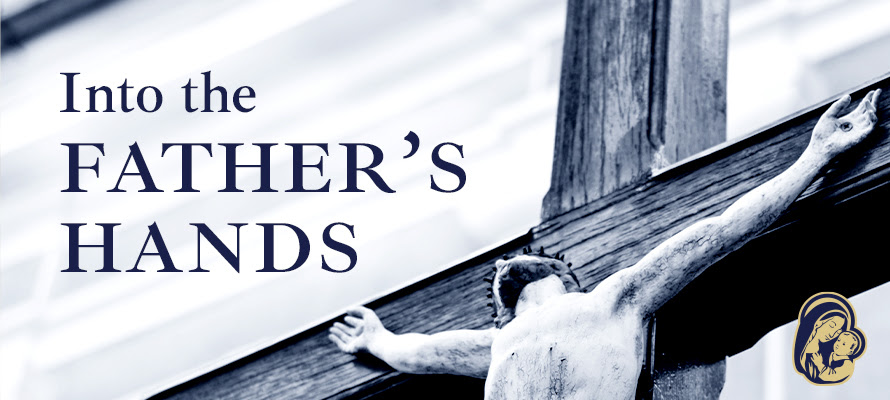
- Prefiguring Christ. The Church sings this canticle at the Easter Vigil because the Exodus foreshadows Christ’s death and resurrection, which frees us from slavery to sin and Satan. This liberation is present in Baptism and will be fulfilled at the end of time.
- Reading history through faith. The Fathers of the Church loved to read the Old Testament events as prefigurations, pre-announcements of the gospel; just as the prophets reread the events of salvation history as pointing to a full realization in the future.
The canticle also gives us lessons about prayer:
- Prayer places our day within salvation history. By putting the ancient hymn on our lips at morning prayer, we are invited “to see our day in the great horizon of the history of salvation.” Morning prayer is a way of perceiving time itself, where the passing days are part of an unfolding divine plan.
- Prayer begins in praise and wonder. The Israelites “can scarcely believe their eyes” and burst into song. Praise is the first response to what God has done. Praying the Liturgy of the Hours can aid us in turning the entire day into a continuous hymn of praise.
- Prayer trains us in discernment and trust. We learn to “read with discernment” God’s presence and action in our day and thus recall with hope: the triumph belongs to God, not to man. Reciting the canticle lets us walk through trial and suffering with confidence in God’s mercy, for: “Nothing can resist the power of his love.”
Read the Catechesis of John Paul II on Exodus 15
Pray and meditate on The Song of Moses in Exodus 15
This is the Christian way of perceiving the passage of time. In the accumulation of passing days, there is no fatality that oppresses us, but a plan that goes on unfolding and that we must learn to read with discernment in the events of our time. … By reciting this hymn of victory on the ancient Exodus, now, with the full light of the Easter exodus, the faithful can live joyously as a pilgrim Church that moves in time towards the heavenly Jerusalem.