

In a catechesis on the Canticle of Tobit 13, Pope St. John Paul II reflects on the themes of suffering, divine mercy, and conversion, exploring how God works through suffering and exile to draw his people closer to himself. The Pope explains that Tobit’s story teaches us that God’s chastisement is “a kind of divine pedagogy, in which the last word is reserved to mercy”—he may allow trials, but ultimately reveals his goodness to those who remain faithful, especially through acts of charity toward their neighbors.
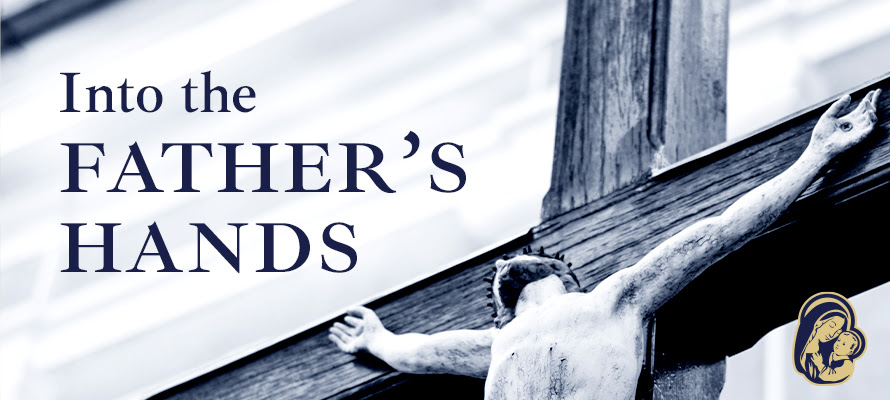
Suffering, even the Cross itself, has a positive meaning when lived in accord with God’s plan. For Christians, “the point of reference can only be the Cross of Christ which offers a profound response to the mystery of suffering in the world.” The canticle speaks of a mutual “conversion” between God and humanity—when we turn back to God with all our hearts, he turns back to us and no longer hides his face. The Holy Father stresses that sin is tragic not merely because it brings punishment, but because “it banishes Him from our hearts,” and we need God himself more than any of his gifts.
Finally, the catechesis connects Tobit’s praise of God as Father to the full revelation of divine mercy in Jesus Christ. The parable of the Prodigal Son to illustrate how the Father responds to our conversion not just with pardon, but with “an embrace of infinite tenderness, coupled with joy and feasting,” calling us to bless and praise God for all he has done.
You are invited to meditate on Tobit 13:1-8: Blessed be God who lives forever
Read the Catechesis of St. John Paul II on Tobit 13
“He scourges and then shows mercy, casts down to the depths of the nether world, and he brings up from the great abyss” (v. 2).
“When you turn back to him with all your heart…then he will turn back to you, and no longer hide his face from you” (v. 6).